
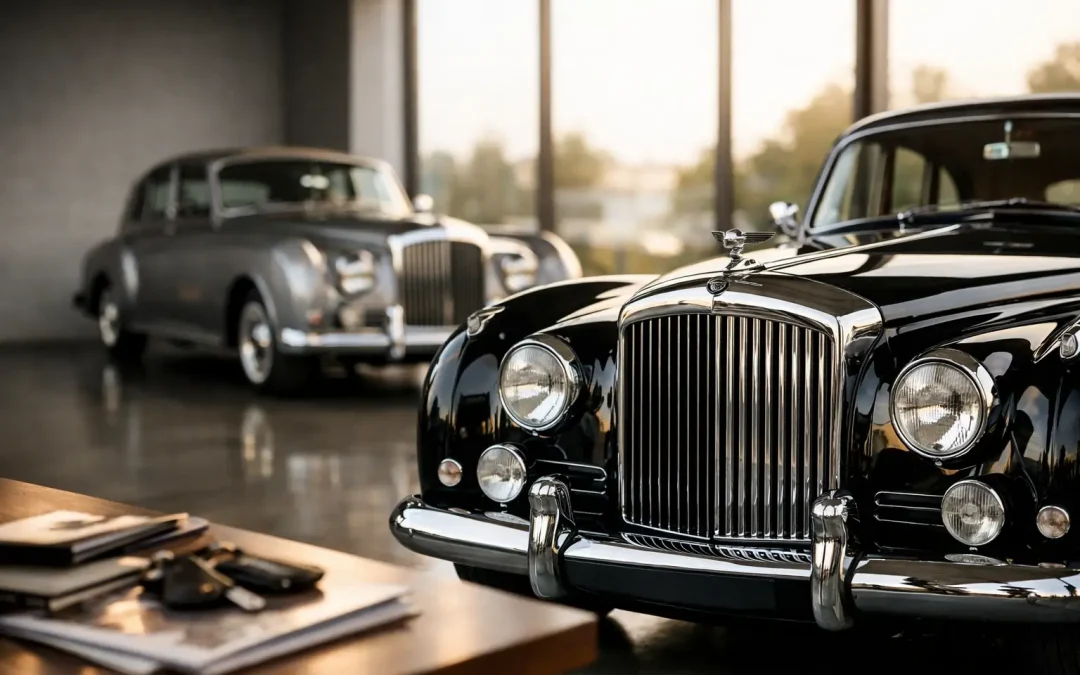
The gap between two apparently similar Bentleys can be tens of thousands of dollars, and that is exactly why classic Bentley price is never just about age or badge. One car may be a well-kept, usable grand tourer with strong history and sensible upkeep. Another may look attractive on first inspection yet hide deferred maintenance, cosmetic shortcuts, or specification issues that affect both ownership cost and future resale.
For buyers who value craftsmanship, heritage, and real-world usability, the right question is not simply, “What does a classic Bentley cost?” It is, “What am I actually getting for the money?” That is where experience matters.
What Shapes Classic Bentley Price?
A Bentley’s price is usually set by five factors – model, condition, history, mileage, and originality. These do not all carry equal weight, and they rarely work in isolation.
Model is the obvious starting point. Limited-production cars, especially those with strong collector appeal, sit in a different market from later grand tourers built for regular road use. Yet rarity alone does not guarantee value. Some cars remain expensive because they are genuinely desirable, while others are simply scarce without attracting the same depth of demand.
Condition is often the biggest swing factor. Paint quality, trim wear, soft-top condition on convertibles, wheel finish, wood veneers, leather shrinkage, and evidence of proper mechanical upkeep all influence value. A car that presents honestly and has been maintained properly will nearly always command stronger money than a superficially polished example with weak records.
History matters because Bentley buyers tend to be careful buyers. Complete service records, invoices, ownership details, and evidence of specialist attention give confidence. The market places a premium on cars that have been understood and cared for, not merely parked and admired.
Mileage is important, but it needs context. Low mileage can support a stronger price if the car has also been serviced correctly and exercised properly. A very low-mileage car with long idle periods can bring its own concerns. Equally, a higher-mileage Bentley with excellent maintenance can be a better purchase than a neglected “garage queen.”
Originality also deserves attention. On certain older classics, factory-correct specification, matching details, and period presentation matter greatly. On more modern Bentley models, tasteful upgrades may be acceptable, but poor modifications can narrow the market and depress price.
Classic Bentley Price by Type of Car
When people discuss classic Bentley price, they are often referring to very different eras of car. That makes broad pricing tricky unless you separate the market into sensible groups.
Coachbuilt and pre-war Bentleys
At the top end, pre-war and coachbuilt Bentleys occupy a specialist collector market. These cars are driven by provenance, rarity, body style, event eligibility, and restoration quality. Prices can be substantial, and the difference between a correctly restored example and a compromised one can be dramatic. This is a market for informed buyers, not casual speculation.
Post-war saloons and grand tourers
Post-war Bentleys can offer an appealing way into the marque, but values vary widely. Some saloons remain relatively attainable because supply is broader and buyer demand is more selective. These cars can represent good value if bought correctly, though buyers should be realistic about upkeep. A cheap entry price does not always mean inexpensive ownership.
Modern classics and usable Bentleys
For many buyers today, the most relevant part of the market is the modern-classic Bentley. This includes cars from the early 2000s through the 2010s, especially convertible and grand touring models that combine prestige with real usability. This area is often where value for money becomes most attractive.
A well-bought Bentley GTC, for example, can deliver the occasion, craftsmanship, and road presence buyers expect from the marque while remaining practical enough for regular enjoyment. These cars are not “cheap” to own, but compared with their original list prices, they can make a compelling case.
Why Some Bentleys Seem Cheap
If a Bentley is priced below the market, there is usually a reason. Sometimes the explanation is straightforward – higher mileage, color combination, incomplete history, or seasonal timing. Other times, the reason is more serious.
Convertible roof issues, electrical faults, suspension wear, poor paintwork, neglected interiors, or gaps in servicing can all push a car down in price. So can accident history, corrosion on older vehicles, or a pattern of cosmetic preparation without deeper mechanical care.
This is where buyers need discipline. The cheaper car is not always the better buy. In fact, once repairs, sorting, and lost time are added in, it can become the more expensive route. Bentley ownership rewards quality from the outset.
The Cost of Ownership Matters as Much as Purchase Price
A realistic classic Bentley price discussion has to include what happens after purchase. Insurance, storage, servicing, tires, detailing, battery care, brake work, suspension components, and trim repairs all matter.
This does not mean ownership should be feared. It means it should be approached properly. Buyers who budget only for the purchase price tend to make poorer decisions than those who allow room for ongoing care.
There is also a difference between routine maintenance and catch-up maintenance. A Bentley that has been serviced on time by specialists can be far more predictable to own than one sold cheaply after years of corners being cut. The invoice history often tells the story well before a road test does.
How to Judge Value, Not Just Price
The best Bentley purchases usually have a clear logic behind them. The car suits your intended use, presents well, carries proper history, and does not rely on excuses.
A strong-value example will generally have consistent maintenance, honest mileage, good specification, and condition that reflects careful ownership. It may not be the cheapest car available, but it often proves the most satisfying to live with and the easiest to sell later.
Buyers should also think about liquidity. Some colors, interior trims, and model variants are easier to move on than others. If future resale matters, staying with desirable and broadly marketable combinations is sensible.
Classic Bentley Price and Restoration Potential
Some buyers are drawn to restoration candidates, especially if they want a particular model or specification that is hard to find in finished form. This approach can work, but only with clear eyes.
Restoration projects rarely become cheap cars by the end. Mechanical work, paint, trim, wood, roof systems, and sourcing correct parts all add up quickly. The appeal lies in preserving the car properly and ending up with a Bentley built to a known standard, not in chasing unrealistic savings.
That said, buying a car that needs light recommissioning or cosmetic correction can make sense if the fundamentals are good. A structurally sound, complete Bentley with strong provenance is a very different proposition from a neglected example needing major intervention in several areas at once.
For owners who already have a car, targeted refurbishment can also support long-term value. Interior correction, paint improvement, wheel refinishing, and proper mechanical sorting often make more financial sense than leaving issues to worsen.
Buying Through a Specialist Makes a Difference
Bentley buyers are not simply purchasing transport. They are buying engineering, heritage, and a standard of finish that demands proper understanding. That is why specialist inspection, preparation, and aftercare matter.
A knowledgeable dealer can explain why one car is worth the premium and why another is not. That includes advising on known model issues, realistic ownership costs, specification desirability, and the likely difference between cosmetic presentation and genuine condition.
For customers considering part exchange, restoration, or sourcing a specific Bentley, working with an established specialist simplifies the process. It brings technical knowledge and market judgment into the same conversation. With more than 25 years of hands-on experience, Tedella Ltd approaches Bentley buying and ownership the way it should be approached – carefully, honestly, and with respect for the car.
What Buyers Should Expect in Today’s Market
The market for classic and modern-classic Bentleys remains selective rather than casual. Good cars sell because informed buyers recognize quality. Average cars can sit for longer, especially if they are overpriced or poorly presented.
That creates opportunity for buyers who stay patient and focus on substance. If you choose well, a Bentley can offer far more than badge appeal. It can provide genuine enjoyment, long-distance comfort, strong craftsmanship, and a sense of occasion that many modern cars simply do not match.
The key is to treat classic Bentley price as a measure of overall quality, not just an asking figure. The right car at the right money is the one that has been properly cared for, honestly represented, and prepared for the next owner to enjoy with confidence. Buy on that basis, and the experience is usually far better than buying on price alone.
Recent Comments