
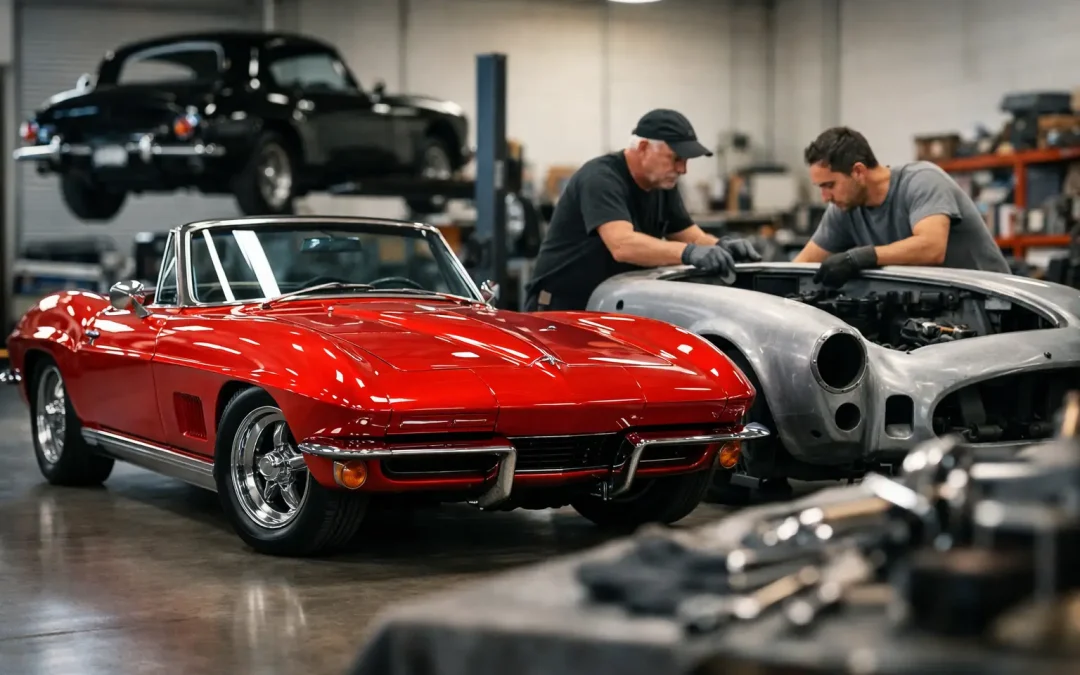
A freshly painted body can look impressive for ten minutes. What matters is what sits underneath it – the metalwork, the panel fit, the trim quality, the mechanical integrity, and whether the car still feels true to its period. That is why owners searching for the best classic car restoration companies are usually not looking for a bargain. They are looking for judgment, craftsmanship, and a team they can trust with a valuable piece of motoring history.
For prestige British cars in particular, restoration is rarely a simple cosmetic exercise. A Bentley, Aston Martin, or Jaguar carries expectations. The finish has to be right, but so does the stance, the way the doors shut, the correctness of the materials, and the quality of the road manners once the work is complete. The best firms understand that a restoration is not just about making a car look new. It is about preserving character while returning the car to proper, usable condition.
What Sets the Best Classic Car Restoration Companies Apart
The strongest restoration companies tend to share one quality above all others: specialization. General body shops can handle paint and accident work, but classic restoration demands a very different standard. Older vehicles often hide corrosion, outdated repairs, missing trim, electrical faults, and model-specific quirks that only experienced hands will spot early.
A specialist company will know where a certain Bentley is likely to corrode, which trim pieces are difficult to source for an Aston Martin, and when originality should take priority over convenience. That knowledge saves time, money, and disappointment. It also protects value. In the classic market, work that is merely decent can still hurt a car if it is done without respect for the marque.
The best restorers also know when not to over-restore. This is an area where experience matters. Some cars benefit from a full bare-metal rebuild. Others are better served by sympathetic refurbishment that preserves patina, original fittings, and the honest signs of age that collectors often appreciate. There is no single formula. Good companies explain the trade-offs and help owners make sensible decisions based on budget, intended use, and long-term goals.
How to Judge Best Classic Car Restoration Companies Before You Commit
Choosing a restoration partner is part technical decision and part trust exercise. A polished website or a smart workshop alone is not enough. You need evidence that the company can manage the full job properly and communicate clearly throughout it.
Start with the type of cars they regularly handle. If your vehicle is a British grand tourer or luxury convertible, you want a company that already understands those platforms. Familiarity with marque-specific materials, trim, driveline setups, and parts sourcing can make a major difference to the final result. A shop that restores everything from muscle cars to off-road trucks may be talented, but that broad approach is not always ideal for a premium British car.
Then look at the scope of services. Some firms are excellent painters but subcontract trim, engine work, or electrical repairs elsewhere. There is nothing automatically wrong with that, but it does introduce more moving parts. Companies that can oversee bodywork, mechanical repairs, interior refurbishment, detailing, and final setup under one roof often provide a more consistent result and a more straightforward customer experience.
Communication matters just as much as craftsmanship. Restoration projects can uncover hidden issues, and timelines can shift once a car is dismantled. The right company will be direct about that from the start. They should talk you through likely risks, explain where the money goes, and distinguish between essential repairs and optional upgrades. If everything sounds too quick, too easy, or too cheap, caution is sensible.
The Difference Between Restoration and Refurbishment
Owners often use these terms interchangeably, but they can mean very different levels of work. A refurbishment usually focuses on improving an existing car that is fundamentally sound. That may include paint correction, localized body repairs, interior retrimming, suspension work, brake overhaul, and attention to tired cosmetic details.
A restoration is typically more involved. It may include structural metal repairs, full repainting, complete disassembly, driveline rebuilding, rewiring, re-chroming, and replacing or remanufacturing hard-to-find components. On the right car, this level of work can be worthwhile. On the wrong car, it can exceed the vehicle’s market value very quickly.
The best classic car restoration companies will not push every owner toward a full restoration. They will assess the car honestly and recommend the level of intervention that makes sense. That approach is especially valuable for owners who want a car to drive and enjoy rather than place under lights in a collection.
Why Marque Knowledge Matters So Much
Prestige British cars reward specialist care. They also punish guesswork. Materials, finishes, and engineering details vary greatly between makers and eras, and what is acceptable on one model can look completely wrong on another.
Take interior work as an example. Leather grain, stitching patterns, wood veneer finish, switchgear detail, and carpet quality all affect whether the cabin feels authentic. The same applies to exterior presentation. Brightwork, wheel choice, ride height, and panel alignment all contribute to whether the car presents properly. Experienced specialists understand that these details are not decorative extras. They are part of the vehicle’s identity.
Mechanical work follows the same pattern. A car can leave the shop looking superb and still be disappointing if it drives poorly, overheats, feels unsettled at speed, or suffers from recurring electrical faults. The best firms restore confidence as much as appearance. They want the car to start, run, stop, and behave as it should.
That is why many owners prefer a specialist with years of direct hands-on experience in a narrow field rather than a larger operation with a broader portfolio. A focused company is often better placed to source the right parts, anticipate the common faults, and preserve the car’s originality where it counts.
Cost, Value, and the Reality of Restoration Work
Classic car restoration is expensive because it is labor-intensive, skilled, and often unpredictable. Stripping a car back can reveal previous accident damage, poor old repairs, corrosion in hidden sections, or components that are no longer serviceable. There is no honest way to pretend those risks do not exist.
What matters is how a company manages them. Good restorers document findings, discuss options, and help you decide where to spend wisely. Sometimes that means investing in structural repairs and mechanical reliability first, then deferring cosmetic work. Sometimes it means completing the job to a very high standard because the rarity, sentimental importance, or market value of the car justifies it.
A low estimate is not always good news. If key stages are omitted, if subcontracted work is loosely controlled, or if poor-quality replacement parts are used, the final bill can rise while the standard falls. Better companies are usually more measured. They understand the relationship between cost and outcome, and they do not make promises that experienced owners know cannot be kept.
A Better Fit for Owners Who Want Ongoing Support
One overlooked point when comparing restoration firms is what happens after the job is done. Classic cars need ongoing care. A proper road test may highlight bedding-in issues, seals may settle, trim may need final adjustment, and routine servicing remains essential if the car is to stay in top form.
This is where a company that combines sales, repairs, refurbishment, and restoration can offer real value. If you buy, maintain, improve, and eventually part exchange through the same specialist, there is continuity. The workshop already knows the car, understands its history, and can advise you with a long-term view in mind. For many owners, that relationship matters as much as the restoration itself.
A focused specialist such as Tedella Ltd can be particularly well suited to owners of Bentley, Aston Martin, and similar prestige British cars who want practical guidance rather than generic recommendations. That kind of experience tends to show in the questions asked, the standards applied, and the honesty of the advice.
How to Make the Right Choice
If you are comparing the best classic car restoration companies, look past presentation and ask a simpler question: who would you trust to protect the identity and value of your car? The answer usually lies with the company that understands your marque, speaks plainly about process and cost, and treats restoration as custodianship rather than just repair work.
The right specialist will not simply return a car to better condition. They will help you preserve what made it worth saving in the first place. That is the standard to look for, and it is always worth taking the time to find it.
Recent Comments