
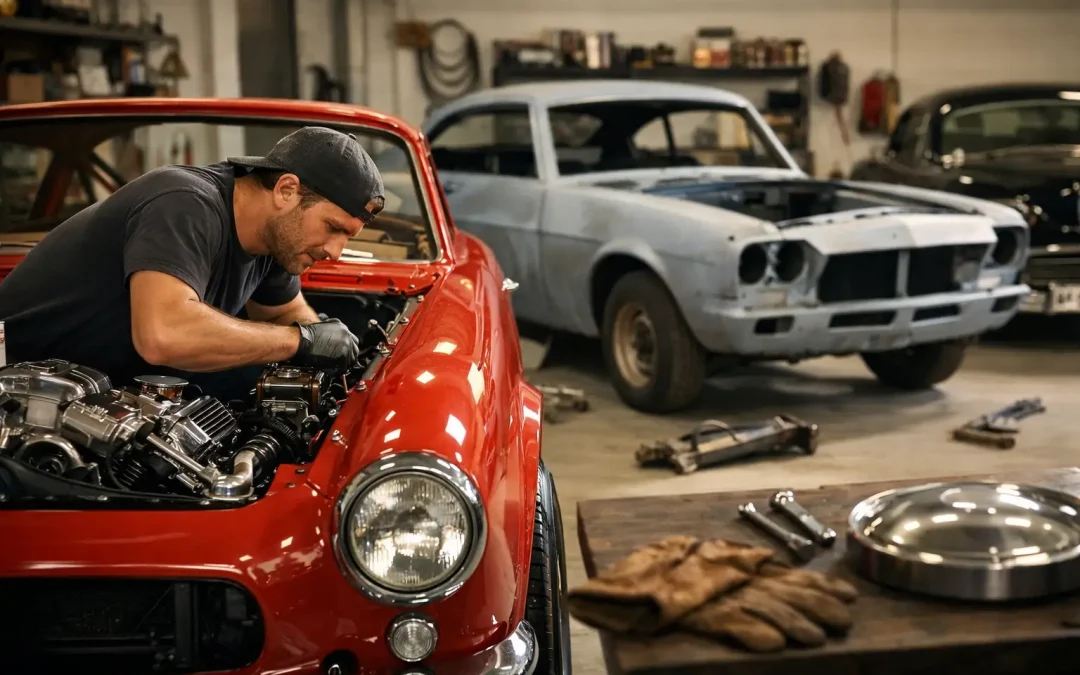
A great many restorations go wrong before the first wrench is turned. The mistake is not lack of enthusiasm. It is buying the wrong car, setting the wrong budget, or assuming that how to get into classic car restoration is mainly about tools and spare time. In reality, it starts with judgment.
If you are serious about entering this world, especially with premium British cars, treat restoration as a craft and a discipline rather than a weekend impulse. The most satisfying projects are not always the most dramatic ones. Often, the wiser route is a usable car with a clear history, sound structure, and a sensible plan for what you want to achieve.
How to get into classic car restoration without costly mistakes
The first decision is not what to buy. It is why you want to restore a classic car at all. Some owners want to preserve family history. Others want a rewarding hobby. Some are drawn to the mechanical character of older Bentleys, Jaguars, or Aston Martins and want a car they can actually enjoy on the road. Your aim matters because it shapes every decision that follows.
If your goal is investment, originality and documentation become central. If your goal is regular driving, reliability upgrades may be sensible. If the attraction is learning, a simpler car with strong parts support may be a better starting point than an ambitious prestige project. There is no universal right answer, but there is a wrong one: beginning with a car that does not match your budget, time, or ability.
A common misconception is that a cheaper purchase price makes for a better project. In classic restoration, the opposite is often true. A bargain car with structural rust, missing trim, and uncertain mechanical condition can cost far more than a more expensive, well-kept example. Labor, specialist parts, paintwork, upholstery, and metal fabrication add up quickly. Buying well is often the most cost-effective restoration decision you will make.
Start with the right type of car
For anyone learning how to get into classic car restoration, the ideal first project is usually not the rarest or most complicated car available. It is one with decent parts availability, strong club or specialist support, and a realistic path to completion. That may mean starting with a car that needs sympathetic refurbishment rather than a total ground-up rebuild.
This is particularly relevant in the premium British market. Prestige models carry obvious appeal, but they also demand higher standards of workmanship. Poor paint preparation, incorrect interior materials, or improvised mechanical repairs can harm both driving enjoyment and long-term value. If you are considering a Bentley, Jaguar, or Aston Martin, it pays to be honest about what you can manage yourself and what should be entrusted to a specialist.
Try to separate romance from practicality. A complete but tired car is generally a better prospect than a dismantled one in boxes. A running vehicle with cosmetic flaws can teach you a great deal while still giving you the pleasure of ownership. A non-running project with unknown faults can absorb months before any meaningful progress is made.
Budget for the full job, not just the purchase
This is where many newcomers get caught out. They budget for the car, perhaps for paint, and maybe for a few mechanical parts. Then the hidden costs begin. Brake components need replacement. Rubber seals have perished. Chrome requires replating. Electrical faults emerge. Interior wood or leather proves beyond a simple refresh.
A proper restoration budget should include purchase, transport, storage, tools, specialist labor, parts sourcing, bodywork, paint, trim, and a contingency fund. That final element matters because surprises are part of the process. Even well-bought cars can reveal issues once disassembly begins.
There is also a trade-off between doing everything at once and restoring in stages. A staged approach can make ownership more manageable, particularly if the car remains usable between phases. Mechanical safety and structural integrity should always come first. Paint and cosmetic refinements can follow. This approach often suits owners who value driving their cars rather than waiting years for a full rebuild.
Learn the skills that matter most first
You do not need to become an expert panel beater, trimmer, machinist, and auto electrician overnight. In fact, trying to master every aspect at once is one of the quickest ways to lose momentum. Begin with core skills that improve your confidence and help you assess a car properly.
Mechanical basics are the best foundation. Learn how braking systems, suspension, cooling, ignition, fueling, and charging systems work. Understand routine servicing. Get comfortable with inspection, diagnosis, and careful disassembly. These skills transfer across marques and will help you communicate intelligently with specialists when work needs to be outsourced.
Body and paintwork require a different level of patience and technique. Cosmetic work can look deceptively simple until poor preparation shows through the finish. Trimming and wood restoration are similarly unforgiving, especially on heritage cars where materials and fit are part of the car’s identity. There is no shame in drawing a clear line between owner-level work and specialist craftsmanship.
Build your toolkit carefully
There is no need to overbuy at the start. A thoughtful set of quality hand tools, axle stands, a reliable jack, torque wrench, multimeter, inspection light, and decent storage for parts will carry you a long way. Good tools reduce damage, speed up work, and make the process safer.
Workspace matters just as much. A dry, secure, well-lit garage is a serious advantage. Restoration done outdoors or in poor storage conditions often leads to lost parts, corrosion, and avoidable frustration. If space is limited, that may be a sign to choose a lighter refurbishment project or to partner with a restoration specialist for major stages.
Documentation is another tool, even if people do not think of it that way. Photograph every stage. Label removed parts. Keep invoices and records. For valuable classics, proper documentation supports future maintenance, proves the quality of the work, and can strengthen resale value.
Know when to use a specialist
The most experienced owners in classic motoring are often the quickest to involve specialists. That is not because they lack practical knowledge. It is because they understand where precision matters most.
Structural corrosion repair, major paintwork, engine machining, transmission rebuilding, fine interior retrimming, and marque-specific diagnosis are all areas where professional experience can protect the car and the investment. On premium British vehicles, poor work is rarely hidden for long. Panel gaps, finish quality, trim fit, and mechanical behavior all reveal the standard of restoration.
This is where an established specialist can make a substantial difference. A business with decades of experience restoring and maintaining prestige British cars can help you avoid expensive detours, source the right parts, and preserve originality where it counts. For owners in North London and Hertfordshire, working with a trusted local specialist such as Tedella Ltd can be especially practical when a project needs collection, assessment, repair, or a full restoration plan.
Be realistic about originality and upgrades
Purists and drivers do not always want the same thing. Some restorations aim to return a car to factory specification in every detail. Others prioritize usability with discreet upgrades such as improved cooling, ignition, braking, or weather protection. Neither approach is automatically right or wrong.
The key is to understand the car’s market position and your long-term plans. A rare, highly collectible car may deserve strict originality. A usable grand tourer may benefit from carefully chosen improvements that make it more enjoyable and dependable. The point is not to modernize blindly. It is to make informed decisions that respect the character of the car.
Patience is part of the craft
Classic car restoration rewards steady thinking. Parts can take time to source. Good body and trim work cannot be rushed. Correcting someone else’s poor repair often takes longer than doing the job properly in the first place. If you expect instant progress, restoration can feel slow. If you value the process, it becomes part of the appeal.
Set milestones that keep the project moving. One month might be dedicated to braking and suspension. Another to sorting electrical issues. Another to interior assessment and trim planning. Small wins matter. They keep the car progressing toward a standard you can be proud of.
The best entry into classic car restoration is rarely the loudest or most dramatic one. It is the thoughtful start: the right car, the right expectations, and the willingness to combine hands-on enthusiasm with expert support when needed. Do that, and you are far more likely to end up with something better than a finished project. You end up with a car worth keeping.
Recent Comments